A Strengths-Based Approach to Leadership in Trauma-Impacted Environments.
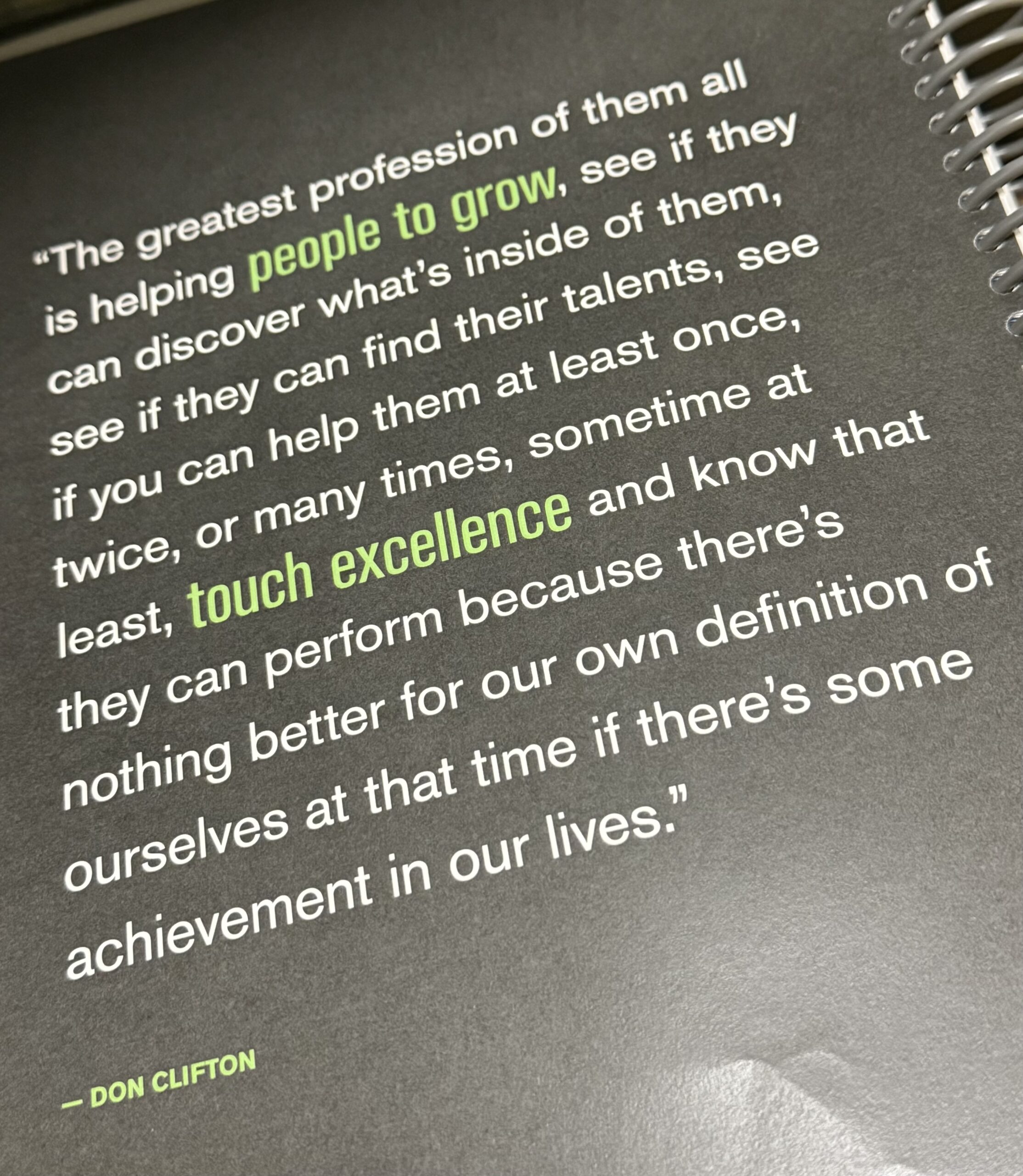
In learning spaces that support underserved communities, educators and leaders aren’t just managing curriculum—they’re navigating trauma, resource scarcity, and systemic strain. When leaders focus on growth and strengths, not only do individuals flourish, these environments become more resilient and adaptive. Taking the time to identify and develop the teams innate talents, high performance is sustained. Leaders who help others understand and use their talents can unlock cumulative advantages that compound into long-term well-being and professional success.
Start with Self-Awareness
Before you can lead others, know your own strengths. Effective leaders are those who understand their own talents and how to apply them—because self-awareness fuels authenticity and confidence. When people understand themselves deeply, they tend to act in ways that reflect who they truly are—which is the foundation of authenticity. Authentic leadership, rooted in self-awareness, has been linked to stronger leader–follower relationships, improved job satisfaction, and reduced burnout (Avolio & Gardner, 2005 — The Leadership Quarterly). A longitudinal study found that self-aware individuals show stronger psychological well-being and self-confidence over time because they regulate emotions more effectively and interpret experiences more adaptively (Silvia & O’Brien, 2004 — Personality and Social Psychology Bulletin). This type of leader often make proactive adjustments to their own behaviors, leading to better outcomes and a higher sense of confidence.
Help the Team Discover Strengths
As a Strengths Coach, I encourage all my clients to have every member of their team complete the CliftonStrengths assessment. Strengths awareness helps people see their patterns of thoughts and behaviors as assets rather than liabilities—a critical shift in environments under strain. The CliftonStrengths assessment is a research-validated tool that identifies an individual’s top talent themes and provides language for what naturally energizes and drives them. Strength awareness helps teams reframe challenges as opportunities to lean in to what they already do well.
Conducting structured reflection sessions are another way to help teams identify patterns of success and strength. Reflection is strongly associated with confidence and emotional regulation. Asking your team what comes naturally to them when things get difficult, is a great way to start the session. It opens a pathway for leaders to name and discuss the strengths they have spotted while observing their practice in action. During these sessions, make sure to narrate what you have observed. Call it out! Naming the observed strengths will help keep the team motivated to excel.
As a school leader, I implemented a corporate or collective feedback action at the conclusion of every meeting. Affectionately referred to as “Recognize” – members of the team were given an opportunity to highlight or recognize their colleague for how they contributed to the success of the team, support a student or parent, or for working through a challenge with emotional intelligence. In a strained environment, this type of corporate feedback cycle focuses on strengths and affirmation, creates psychological safety, improves ones self-perception, and connects one’s strengths to the organizations purpose, values, and goals. Always highlight this!
Reframe Development Around Strengths
Traditional professional development often zeroes in on gaps—but strengths-based leadership suggests excellence grows from investing in what people already do well. Weaknesses rarely turn into strengths; strengths, on the other hand, can be developed infinitely. Research in positive psychology shows that strengths-aligned work predicts higher engagement, persistence, and learning. Dweck’s research highlights that individuals with growth mindsets show greater resilience, effort, and academic achievement. When leaders actions or feedback is framed around deficits, defensive responses are triggered; and you know what happens next? The learner shuts down and closes themselves off. They are no longer available or open to new learning.
The Self-Determination Theory: Autonomy, Competence, Relatedness informs us that people learn best when they feel competent and self-directed. This is crucial in strained environments. Your team wants to feel effective, have some choice, and contribute to the overall success of the organization. This level of support lowers burnout, and yields deeper mastery. Leaders, try this: have individuals on your team create a mind map of situations or circumstances where they feel most effective. I’m confident the data will help you be more intentional when planning professional development or coaching sessions for your team.
Reinforce a Culture of Recognizing the Strengths, not the Strain!
In underserved, trauma-impacted, or high strain environments, leaders who build through strengths, not only foster growth, they also foster resilience and agency. Sustainable change happens when strengths-thinking becomes part of daily practice. Be careful! Do not allow the strain to distract you, the leader, from honoring the team’s humanity, purpose, and confidence. Lock-in and be committed to showing up as the type of leader that understands strengths don’t fix systemic issues alone, but can give the team the social capital and inner resources needed to persist, grow, and contribute to the organization’s continuous improvement.